Samanthy: The Brushed Script Font for Handmade Branding
I was sitting at my desk late last night, staring at a half-finished mockup for a new line of soy candle labels. I had the wax melted, the jars cleaned, and the ribbon selected, but the typography felt off. My initial choice was too rigid, too corporate for the cozy, rustic aesthetic I was going for. I needed something that felt personal, like it was written by hand, yet polished enough to sit on a boutique shelf next to high-end goods. That’s when I pulled up Samanthy, a stylish and cursive brushed handwritten font from Script Amp, and everything clicked.
If you are a crafter, handmade seller, or printable creator who has ever struggled to find a typeface that bridges the gap between classic calligraphy and modern freshness, Samanthy might just become your new favorite design asset. It is not just another script font; it is a tool that adds immediate emotional weight and visual charm to your products. Whether you are designing wedding invitations, creating digital planner pages, or crafting physical merchandise like tote bags and mugs, understanding how to use this font effectively can elevate your brand identity significantly.
Why Samanthy Stands Out in Modern Typography
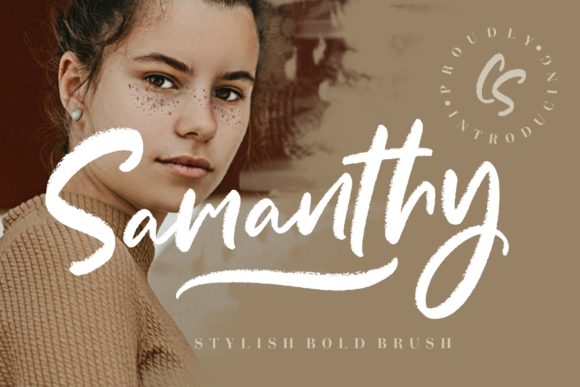
When you first open the Samanthy font file, the first thing you notice is its personality. It maintains classy calligraphic influences while feeling contemporary and fresh. This balance is rare. Many brush scripts feel messy or hard to read, while traditional calligraphy fonts can feel stiff and formal. Samanthy hits the sweet spot. It has the organic flow of a real brush stroke but with enough structure to remain legible and professional.
The visual appeal of Samanthy lies in its "brushed" quality. The varying thickness of the strokes mimics the pressure of a real marker or brush pen, giving your designs an authentic, handmade feel. This is crucial for makers. In a market saturated with mass-produced items, customers crave authenticity. Using a font that looks hand-drawn signals that care and attention went into the product. It transforms a simple label into a piece of art and a basic greeting card into a keepsake.
From a technical standpoint, Samanthy is designed with the creator in mind. It likely includes various styles, alternates, ligatures, and swashes. These features allow you to customize the look of your text without needing advanced graphic design skills. For instance, you can swap out standard letters for more decorative versions to add flair to titles or names. Checking these included assets before you start designing will save you time and help you create unique, custom-looking graphics every time.
Real-World Applications for Makers and Sellers
One of the best ways to see the power of Samanthy is to imagine it applied to actual handmade products. Let’s go back to those candle labels. Instead of using a plain sans serif font for the scent name, imagine writing "Lavender & Sage" in Samanthy. The elegant curves soften the overall look of the label, making it feel luxurious and inviting. You could pair the main scent name in Samanthy with a clean, simple sans serif font for the details like weight and burn time. This combination creates a hierarchy that guides the customer’s eye and ensures readability while maintaining style.
Beyond candles, Samanthy is incredibly versatile. Here are a few realistic scenarios where this font shines:
- Wedding Stationery: Use Samanthy for the couple’s names on invitations, save-the-dates, and welcome boards. Its romantic yet modern vibe fits perfectly with contemporary wedding themes, from boho chic to minimalist elegance.
- Gift Tags and Packaging: When creating boutique tags for jewelry or soap, a short phrase like "For You" or "Happy Birthday" in Samanthy adds a personal touch. It makes the unboxing experience feel special and curated.
- Digital Printables: If you sell digital downloads on platforms like Etsy, Samanthy is perfect for quote prints, wall art, and planner covers. The strong visual presence of the font works well even at smaller sizes in listing images, helping your products stand out in search results.
- Merchandise Designs: For Cricut or Silhouette users, Samanthy translates beautifully to vinyl cuts. It works great on mugs, shirts, and tote bags. Just be mindful of the complexity of the swashes when cutting small items to ensure the design remains crisp.
Design Tips for Maximum Impact
While Samanthy is a beautiful font, using it effectively requires some strategic thinking. Here are some practical tips to help you get the most out of this typeface in your creative projects.
Keep It Short and Sweet
Script fonts like Samanthy are best suited for short phrases, names, titles, and decorative wording. They are generally not ideal for long paragraphs of text because they can become difficult to read over extended lengths. Reserve Samanthy for headlines and key messages. For body text, pair it with a highly readable font, such as a clean sans serif or a simple serif font. This contrast not only improves readability but also adds visual interest to your design.
Master Font Pairing
Pairing Samanthy with the right companion font is essential for a balanced design. Since Samanthy has strong curves and varied stroke widths, it pairs well with fonts that have simpler, cleaner lines. A bold display font can work well for emphasis, while a light sans serif provides a neutral background that lets the script take center stage. Experiment with different combinations to find the harmony that fits your brand’s voice.
Consider Readability and Scale
Before finalizing your design, always check how the font looks at different sizes. On small product labels or stickers, intricate swashes and ligatures might get lost or become muddy when printed. Test your designs by printing them out at actual size or zooming in on your screen to simulate how they will appear to customers. Ensure that the text is legible and that the spacing between letters (kerning) feels natural.
Licensing and Commercial Use
As a maker selling physical products, templates, or digital downloads, it is crucial to respect intellectual property rights. Always check the specific licensing agreement that comes with Samanthy. Most premium fonts come with a commercial license that allows you to use them in products you sell, but there may be restrictions on the number of items or the types of products allowed. Some licenses may require you to purchase additional seats or extend coverage if you scale your business.
Additionally, verify if the font supports multilingual characters if you plan to target international markets. Ensuring that your designs are inclusive and accessible can broaden your audience. By staying informed about licensing and usage rights, you protect your business and maintain ethical standards in your craft.
Final Thoughts on Creative Growth
Incorporating Samanthy into your workflow is more than just changing a font; it is about enhancing the storytelling aspect of your handmade goods. Every label, card, and tag is an opportunity to connect with your customer on an emotional level. By choosing a font that feels authentic, stylish, and well-crafted, you signal that your products are made with love and precision.
Whether you are preparing seasonal holiday tags, launching a new line of printables, or rebranding your entire shop, Samanthy offers the flexibility and charm needed to make your work stand out. Take the time to explore its features, experiment with pairings, and see how it brings your creative vision to life. Your customers will notice the difference, and so will you.